Epoxy flooring has become a go-to solution for homeowners and businesses alike thanks to its durability, sleek appearance, and resistance to wear. But while epoxy floors are known for their strength, achieving a flawless, long-lasting finish isn’t as simple as rolling on a coating. Without proper preparation and expertise, a number of issues can arise, resulting in wasted time and costly repairs.
At Sam The Painter, we’ve seen what can go wrong, and we know how to get it right the first time. Here are some of the most common epoxy floor problems and how working with a professional helps prevent them.
Poor Adhesion and Peeling
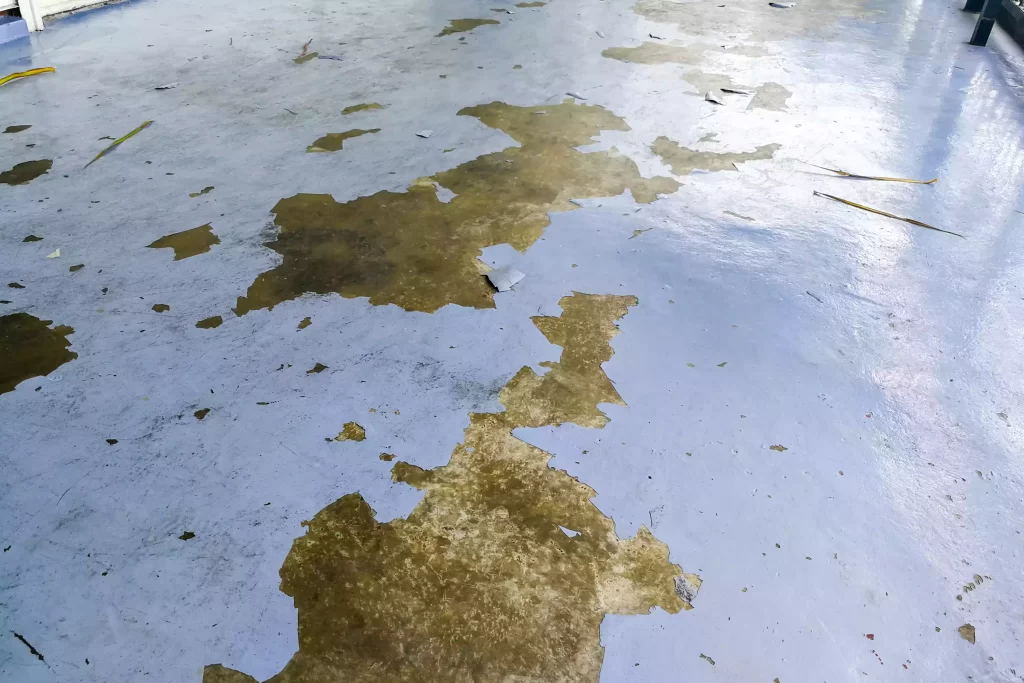
One of the most frequent epoxy floor failures is peeling or delamination, where the coating lifts away from the concrete surface. This typically happens when the floor hasn’t been properly prepared before application. Dust, grease, moisture, or even a smooth concrete surface can prevent the epoxy from bonding correctly.
Professional epoxy floor installation begins with thorough surface preparation, often using mechanical grinding or shot blasting to create the right texture for adhesion. Professionals also test for moisture in the slab and remove contaminants to ensure the epoxy bonds securely and stays put for years.
Bubbles and Blisters
Air bubbles trapped beneath the surface can create unsightly blisters that weaken the coating and compromise the floor’s appearance. These bubbles often form when epoxy is applied to a porous or improperly sealed surface, or when air escapes from the concrete during curing.
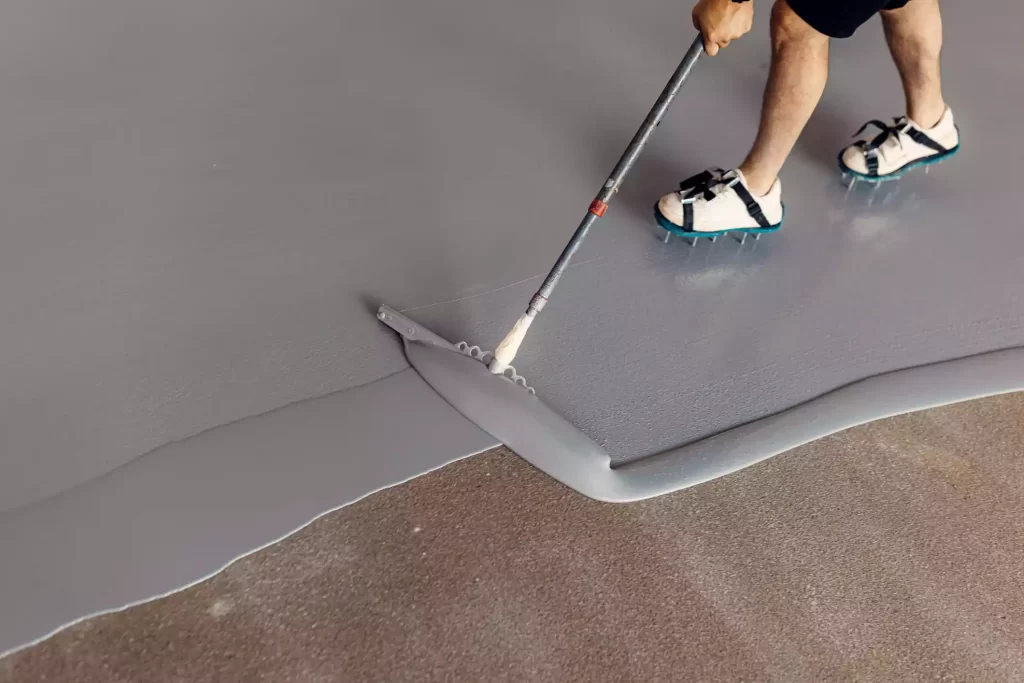
A professional understands how to properly prime the surface and apply epoxy at the right thickness and temperature. They also use specialized tools, such as spike rollers, to release trapped air and create a smooth, even finish.
Uneven or Inconsistent Finish
Streaks, roller marks, or inconsistent gloss levels can make an epoxy floor look unprofessional. This is often the result of uneven application, poor mixing, or working in sections that cure at different rates.
Experienced installers follow precise mixing ratios and application techniques. They work methodically to maintain a wet edge and ensure a uniform coating across the entire surface, resulting in a seamless, polished look.
Moisture-Related Failures
Moisture is one of the biggest threats to epoxy flooring. If water vapor rises through the concrete slab, it can cause bubbling, cloudiness, or complete coating failure.
Before installation, professionals perform moisture testing to determine if the slab is suitable for epoxy. If needed, they apply a moisture vapor barrier or recommend alternative solutions to protect the integrity of the floor.
Yellowing or UV Damage
Standard epoxy coatings can discolor or turn yellow when exposed to sunlight over time. This is especially common in garages, sunrooms, or commercial spaces with large windows.
A professional will select the right type of coating for the environment. In areas with significant sun exposure, they may recommend UV-stable topcoats such as polyaspartic or polyurethane finishes that maintain their clarity and color.
Get It Done Right the First Time
While epoxy flooring offers impressive benefits, its performance depends heavily on proper installation. Cutting corners or attempting a DIY approach can lead to costly repairs and disappointing results.
At Sam The Painter, we bring the experience, tools, and attention to detail needed to deliver epoxy floors that look great and stand up to daily use. From surface preparation to final topcoat, every step is handled with precision to ensure a durable, high-quality finish. If you’re considering epoxy flooring for your home or business, trust the professionals to do it right so you can enjoy the results for years to come. Contact Sam the Painter today to get started.