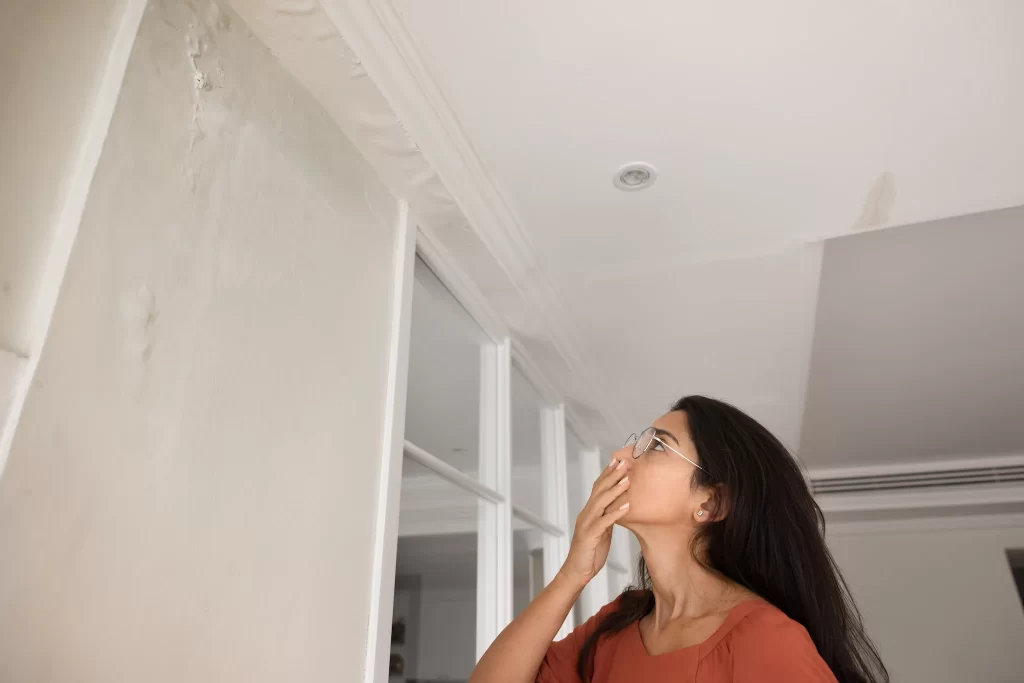
When paint begins to peel, chalk, blister, or fade, the problem is rarely just cosmetic. Coating failure is often a visual warning sign that the surface is no longer protected the way it should be. Sunlight, moisture, poor surface preparation, and application errors can all shorten the life of a coating system, and one or multiple could be the cause of indoor paint problems in your home. Understanding the science behind these coating failures helps homeowners and professional painters make better maintenance decisions and choose the best fix to avoid more expensive repairs later.
What Causes Coating Failure?
Paint coatings are engineered systems made up of pigments, binders, additives, and primers that work together to protect a substrate, or the base material the paint is adhered to. For most residential applications, the substrate is typically drywall, plaster, masonry, or wood. Inadequate surface preparation, environmental stress during the application, and improper painting techniques can cause that delicate system within a paint coating to break down, resulting in defects like paint peeling, blistering, cracking, and more.
One of the biggest causes is exposure to ultraviolet (UV) radiation, or sunlight. UV radiation can trigger photochemical oxidation, which breaks down the chemical bonds in the coating’s binder. As the binder weakens, color fades, the surface loses gloss, and the film can become brittle or powdery.
Moisture is another big factor to blame for coating failure. If water penetrates the coating or becomes trapped during application, it can weaken adhesion and lead to the paint peeling or blistering. More than half of all coating failures result from a poorly prepared substrate, with dirt, chalk, grease, old paint, or other contaminants left on the surface before painting.
How to Diagnose Different Types of Coating Failures
Not all coating failures look the same, and each symptom can point to a different underlying problem. By looking closely at how the paint is behaving, you can better understand whether the issue is related to moisture, sunlight, surface preparation, or typical weathering.
- Peeling and delamination: If the paint has separated from the underlying substrate, it’s likely an adhesion problem. The coating may not have bonded properly because of contaminants, glossy or chalky surfaces, poor weather during application, or moisture behind the film.
- Blistering: Blisters appear as raised bubbles or pockets in the paint film and are often a result of painting in direct, hot sunlight, or caused by trapped moisture, heat, or solvent. If the bubbles form over damp substrate or in areas with poor ventilation, moisture is likely the main issue.
- Cracking: If the paint film splits, exposing the substrate beneath, it often means the paint film has lost its flexibility. This can happen when the coating ages, becomes brittle from prolonged UV exposure, or is applied too thickly.
- Fading: If the color isn’t as bright or bold as it once was, the cause is most likely photodegradation from prolonged sunlight exposure. Check whether the coating has also lost gloss or become brittle, because UV damage can weaken the binder and make the finish more vulnerable to cracking over time.
A careful diagnosis should consider the age of the coating, sun exposure patterns, pigment type, and overall product quality. If multiple symptoms appear together, such as paint peeling, fading, and cracking, the coating system may need more than a simple touch-up. A professional evaluation can determine whether a full recoat is needed.
Why Hiring a Professional Painting Company Matters
Though DIY fixes may seem straightforward, they often come with hidden costs that don’t surface until much later. Correctly diagnosing previous coating failure is essential, because the visible symptom is not always indicative of the true cause. A surface that seems like it just needs a fresh coat may have hidden moisture, substrate deterioration, or a systemic adhesion issue.
An experienced residential painting company understands how to properly inspect the coating, identify root causes, and recommend the most efficient and effective repair strategy. Instead of covering up a coating failure, an experienced painter can correct the conditions that caused it.
The Long-Term Value of Professional Residential Painting
Hiring a professional residential painting company can help protect your home’s interior and exterior, extend coating life, reduce future maintenance costs, and help avoid premature paint peeling, cracking, and fading. The right contractor brings technical knowledge, product expertise, and application skills that can be the difference between a finish that lasts and one that fails again.
If your home’s interior or exterior paint is showing signs of paint peeling, fading, or other weather-related breakdown, the next step is a professional evaluation. Sam the Painter can ensure the job is done right, fixing any issues with the current paint system and ensuring the next application will look great, last long, and protect the substrate beneath. If you have instances of coating failure in or outside of your home, contact us today to discuss the scope of your project and get a free estimate.